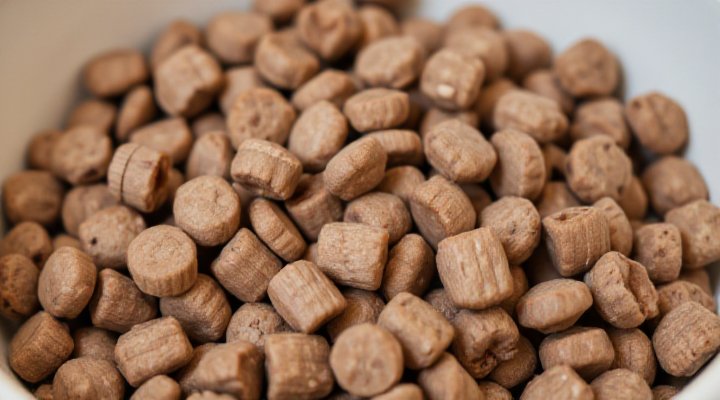
In this comprehensive guide, we explore the essential aspects of selecting and feeding large breed puppy food for Golden Retrievers, focusing on their unique growth needs, joint health, and balanced nutrition. Above all, choosing the right diet can significantly impact your puppy’s development and long-term well-being. For instance, proper nutrition supports bone strength and energy levels, which are crucial for this active breed. Therefore, understanding the key factors in large breed puppy food for Golden Retrievers is vital for every pet owner.
Why Large Breed Puppy Food for Golden Retrievers is Crucial
Golden Retrievers are known for their friendly nature and rapid growth, but this comes with specific nutritional demands. Large breed puppy food for Golden Retrievers is specially formulated to support controlled growth, which helps prevent issues like hip dysplasia. In other words, these diets have balanced calcium and phosphorus levels to ensure bones develop properly without growing too fast. Similarly, the calorie content is optimized to maintain a healthy weight, reducing stress on joints. Consequently, feeding a generic puppy food might not meet these needs, potentially leading to health problems later. From my own experience with my Golden Retriever, Max, switching to a large breed-specific diet made a noticeable difference in his energy and mobility during playtime.

Key Nutrients in Large Breed Puppy Food for Golden Retrievers
When selecting large breed puppy food for Golden Retrievers, it’s important to look for specific nutrients that promote overall health. Firstly, joint support ingredients like glucosamine and chondroitin are essential for maintaining cartilage and preventing arthritis. Moreover, omega-3 fatty acids from sources like fish oil support brain development and a shiny coat. Additionally, high-quality proteins aid muscle growth, while controlled fat levels prevent obesity. For example, foods with real chicken or lamb as the first ingredient often provide excellent protein sources. Meanwhile, avoid fillers like corn and soy, which offer little nutritional value. To clarify, always check the label for AAFCO statements ensuring the food meets nutritional standards for growth.
Balancing Calories and Portions for Golden Retriever Puppies
Feeding the right amount of large breed puppy food for Golden Retrievers is just as important as the food itself. Overfeeding can lead to rapid weight gain, stressing developing joints, while underfeeding may stunt growth. Therefore, follow the feeding guidelines on the package based on your puppy’s age and weight. Further, divide daily portions into multiple meals to aid digestion and maintain energy levels. For instance, I started with three meals a day for Max and adjusted as he grew. Subsequently, monitor your puppy’s body condition; you should be able to feel their ribs without seeing them. Likewise, consult your vet for personalized advice, especially if your puppy is very active or has health concerns.
How to Choose the Best Large Breed Puppy Food for Golden Retrievers
Selecting the right large breed puppy food for Golden Retrievers involves considering several factors to ensure optimal development. Start by looking for brands that specialize in large breed formulas, as they understand the unique needs. Next, check for ingredients that support joint health, such as those mentioned earlier. Moreover, consider your puppy’s preferences; some may do better with wet food, while others thrive on dry kibble. In the same vein, think about your budget and the food’s availability. For example, many owners find that combining dry food with occasional wet meals keeps their puppy interested and hydrated. Importantly, avoid foods with artificial colors or preservatives, as they can cause allergies. If you’re unsure, resources like the Pedigree Puppy Food Nutritional Guide on our site can offer additional insights into balanced diets.
Common Mistakes in Feeding Golden Retriever Puppies
Many pet owners make errors when feeding large breed puppy food for Golden Retrievers, which can impact health. One common mistake is switching foods too quickly, leading to digestive upset. Instead, transition gradually over 7-10 days by mixing old and new food. But on the other hand, some owners over-rely on treats, which can unbalance the diet. For instance, using high-value treats during training is fine, but ensure they don’t exceed 10% of daily calories. Additionally, ignoring water intake is risky; always provide fresh water, as dehydration can affect growth. From my experience, keeping a consistent feeding schedule helped Max avoid begging and maintain a healthy routine. Furthermore, our article on Limited Ingredient Dog Food for Healthy Eating Skills discusses how to build good habits from the start.

Feeding Schedules and Transitions for Golden Retriever Puppies
Establishing a proper feeding schedule for large breed puppy food for Golden Retrievers supports steady growth and behavior. Typically, puppies under six months need three meals a day, while older puppies can transition to two. Meanwhile, feed at the same times daily to create a routine that reduces anxiety. Subsequently, when switching foods, do it slowly to avoid stomach issues. For example, start with 25% new food mixed with 75% old, increasing the ratio over a week. Likewise, observe your puppy’s reaction; if they show signs of allergy or dislike, consult your vet. During this process, incorporating training with food rewards can reinforce positive behaviors, as covered in our Jinx Dog Food Training Rewards Strategies guide.
Monitoring Growth and Health with Large Breed Puppy Food
Regular monitoring is key when feeding large breed puppy food for Golden Retrievers to ensure it’s working effectively. Keep track of your puppy’s weight and growth rate using a scale or vet visits. Moreover, watch for signs of good health, such as a glossy coat, bright eyes, and high energy. Conversely, symptoms like limping or lethargy might indicate joint issues or nutritional deficiencies. Therefore, maintain open communication with your veterinarian for check-ups. In the same vein, consider using tools like growth charts specific to Golden Retrievers, available from authoritative sources like the American Veterinary Medical Association. Most importantly, be patient; every puppy grows at their own pace, and adjustments may be needed along the way.
Long-Term Benefits of Proper Nutrition for Golden Retrievers
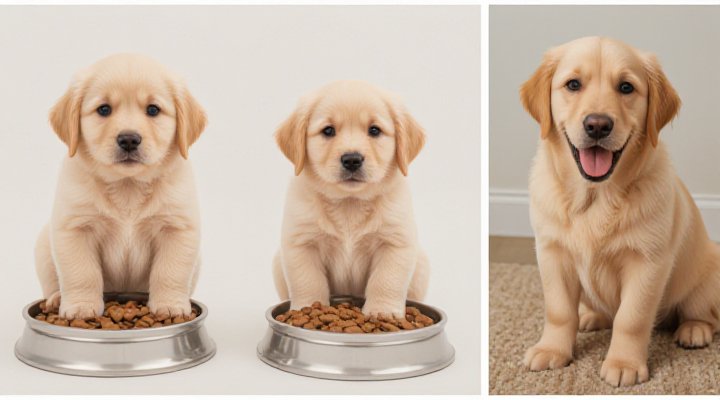
Investing in high-quality large breed puppy food for Golden Retrievers pays off with long-term health benefits. A well-balanced diet supports strong bones and joints, reducing the risk of conditions like hip dysplasia in adulthood. Furthermore, it promotes a healthy immune system, helping your dog fight off illnesses. As a result, you may see fewer vet bills and a happier, more active companion. For instance, Max is now a thriving adult, and I credit his early nutrition for his vitality. Additionally, good eating habits established early can prevent obesity, a common issue in Golden Retrievers. To sum up, the effort you put into selecting the right food now can lead to a lifetime of wellness and joy with your furry friend.
Integrating Nutrition with Training and Skill Building
Nutrition and training go hand in hand when raising a Golden Retriever puppy. Using large breed puppy food for Golden Retrievers as part of training rewards can reinforce obedience and bonding. For example, small pieces of kibble from their daily portion make excellent, low-calorie treats. Moreover, a well-fed puppy is more focused and eager to learn, making training sessions more effective. In addition, our site’s Dog Obedience Training for Beginners offers simple steps to get started. Meanwhile, ensure that training doesn’t interfere with meal times to maintain a balanced diet. Above all, this approach builds a foundation for lifelong skills and a strong owner-pet relationship.

In conclusion, choosing and feeding large breed puppy food for Golden Retrievers is a critical step in ensuring your puppy grows into a healthy, happy adult. By focusing on joint health, balanced nutrition, and proper portions, you can support their development and prevent common issues. Remember, every puppy is unique, so stay attentive and consult professionals when needed. For more tips on pet care, explore our related articles and trusted resources like the American Kennel Club. Ultimately, your dedication to their diet will reward you with years of companionship and joy.
Related Keywords: large breed puppy food, Golden Retriever nutrition, puppy joint health, balanced puppy diet, Golden Retriever growth, puppy feeding guide, dog food selection, pet skill building
